
Reducing INGO Overhead with Small c Cuts
An office that no longer opens doors is not representation, it is overhead.
Overhead becomes expensive the moment it stops earning its weight.

A collection by Ali Al Mokdad
“Small c” is the term I use for quiet, strategic reductions that unlock real change over time.
An office that no longer opens doors is not representation, it is overhead.
Overhead becomes expensive the moment it stops earning its weight.

If the internal report isn’t prompting a decision, it’s just decoration.
This paper might provoke you. It might affirm what you’ve whispered in hallways, raised on field visits, or challenged in meetings.

What we lack isn’t strategy. It’s strategic memory, strategic courage, and a design rooted in reality.
In one of my recent papers, some called it the HQ Efficiency Manifesto, I wrote about “small c” cuts: quiet, strategic shifts that make systems work better without breaking them.

Cut what drains. Cut what distracts. Cut what slows.
If the word transformation stresses you out, if digitalization triggers a small internal panic, and if every new model feels like another round of pressure that lands on your shoulders before it reaches its value, you are not alone.

If organizations cannot share a fleet, they are not ready to share a strategy.
If you have ever worked in or with an NGO’s regional office, you know the feeling.
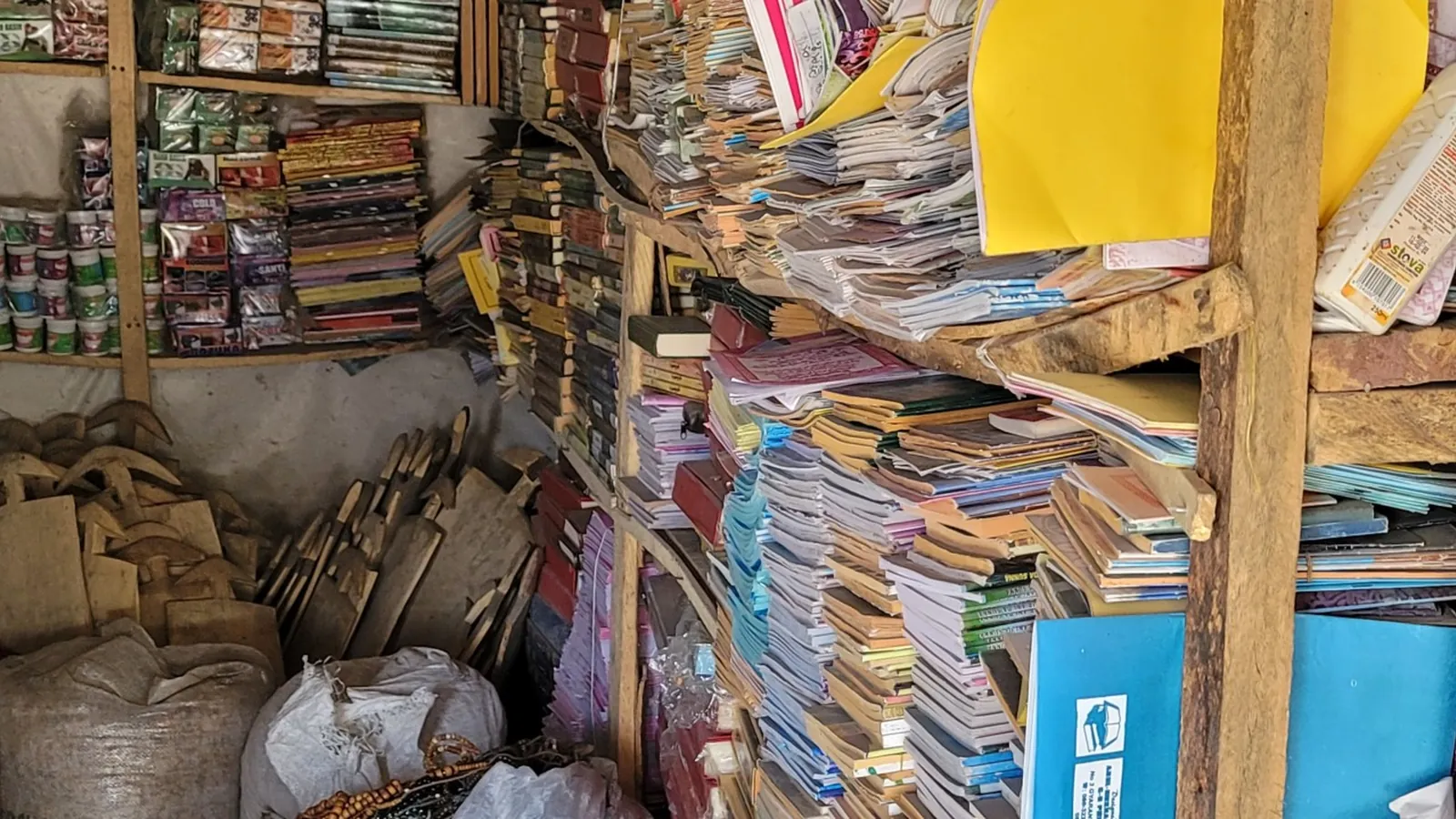
Fundraising is not revolution. It is optimisation in small shapes.
If you have ever sat in a fundraising strategy session that felt both urgent and disconnected from the operational realities, you know the frustration.

Influence is not a vibe. It is a practice.
It usually begins with good intention. A new campaign, a donor hint that visibility matters, a policy window that feels urgent.

A traffic light that never stops traffic is just decoration.
The smoke alarm goes off. Everyone hears it.
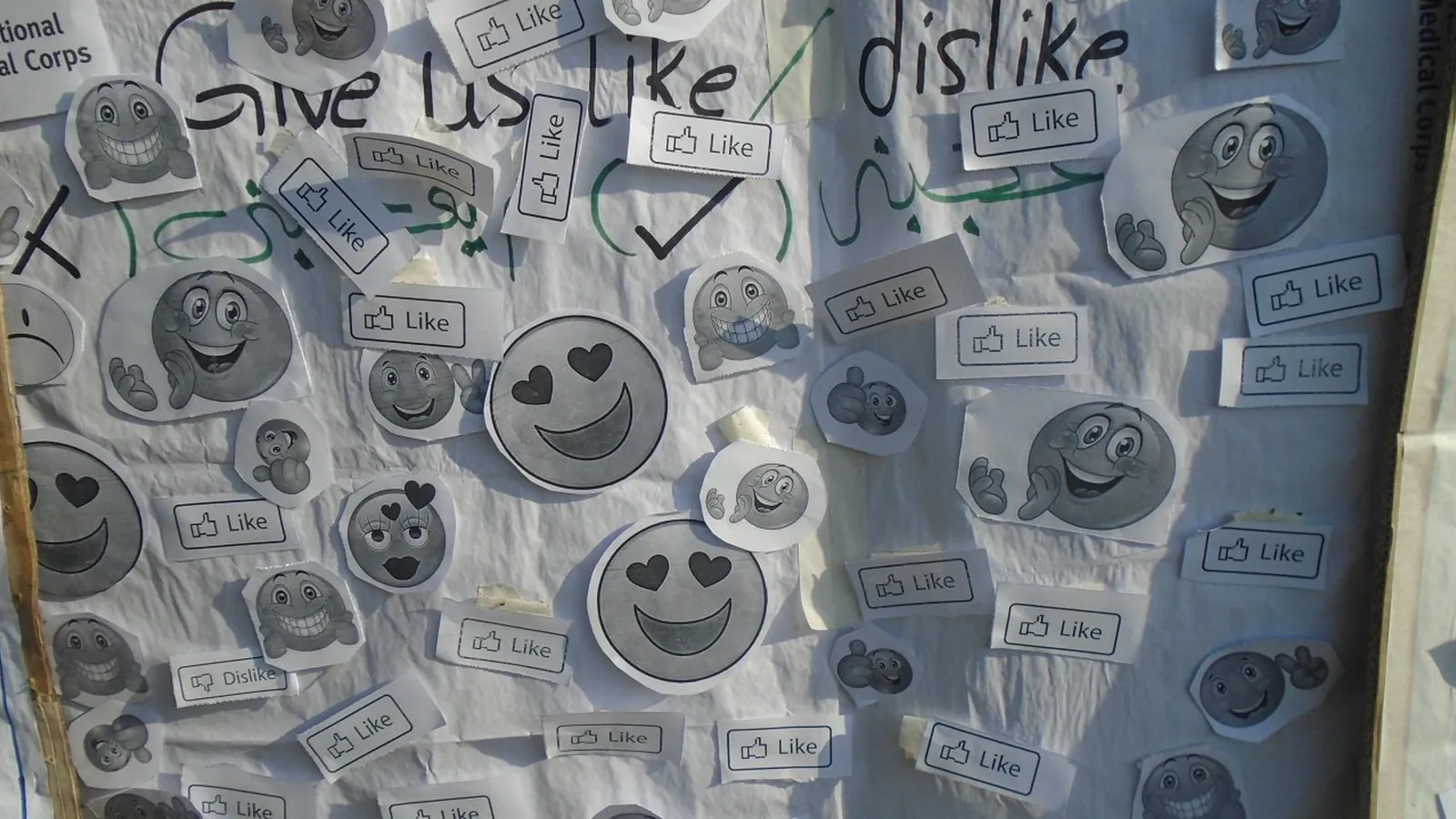
Technology isn’t the problem. Transformation is.
Digital transformation in NGOs begins the way expensive mistakes begin: a polished presentation, a room full of well-intentioned people, and a shared belief that this time the system will make the work easier.

Starting from first principles. Optimization in small steps is what frees an organization to take the big ones.
Real optimization starts in the small choices leaders make with trust and honesty, the quiet shifts that return organizations to first principles and let the system serve the people instead of the other way around.